







Search Results for: Misty Mountain Estate
Jamaica Blue Mountain Old Tavern Estate: The Flavor Secrets and Origin Story of Top Blue Mountain Coffee
When it comes to Jamaican Blue Mountain coffee, many people first think of Wallenford Estate, but there is an even more hidden and exclusive estate—Old Tavern Estate. The owner, Alex Twyman, has been rooted in the northern slopes of the Blue Mountains for over fifty years, cultivating slow-ripening cherries under shade trees to produce a top-grade Blue Mountain with sweetness and a distinctive aroma. The annual output here is only 40,000 pounds, less than 2% of the total Blue Mountain production, yet each pound sells for over fifty US dollars, twice that of ordinary Blue Mountain. Even more legendary is that Twyman single-handedly challenged Jamaica's coffee marketing system, ultimately driving the industry's liberalization. Front Street Coffee takes you deep into this misty, rain-shrouded Blue Mountain secret realm to explore the flavor code of top-tier Blue Mountain and the estate owner's persistent life. [more…]
A Comprehensive Guide to Jamaican Blue Mountain Coffee: The Unique Charm from Terroir to Tasting Methods
Blue Mountain coffee is widely recognized as one of the world's finest coffees. Grown in the Blue Mountains of eastern Jamaica, it owes its perfectly balanced flavor—sweet, acidic, bitter, and mellow—to fertile volcanic soil, a misty and rainy climate year-round, and rugged high-altitude growing conditions. Front Street Coffee's Blue Mountain coffee is highly sought after by coffee enthusiasts for its rich aroma, lingering fruity notes, and exceptionally low caffeine content. This article systematically examines the growing conditions for Blue Mountain coffee, its post-harvest processing, the current state of production allocation under Japanese capital control, and key points for verifying authenticity in the domestic market. It also shares Front Street's recommended pour-over brewing method and tasting suggestions, offering a comprehensive introduction to this legendary coffee known as the "beauty of coffees." [more…]
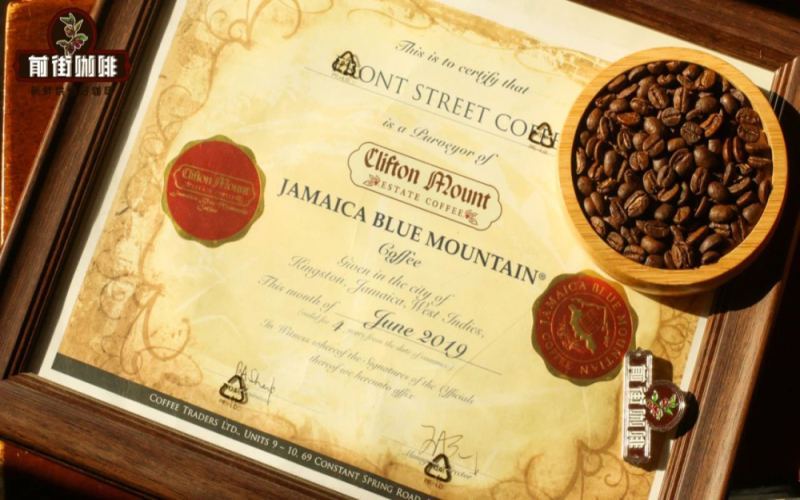
A Detailed Guide to Jamaican Blue Mountain Coffee Flavor and Pour-Over Brewing: Balanced Taste from Medium-Dark Roast to KONO Dripper
Jamaica Blue Mountain coffee, hailed as the "Emperor of Coffee," remains a legend in the hearts of many coffee enthusiasts to this day. What gives it the right to sit firmly on the throne of top-tier coffee? From its introduction to the Caribbean in the 18th century, the volcanic soil and misty climate of the Blue Mountains, to the CIB's strict demarcation of the growing region and an annual output of only about 900 tons, every link in the chain is steeped in scarcity. Front Street Coffee has this time sourced Blue Mountain coffee beans from Clifton Estate, using a medium-dark roast to bring out its balanced, mellow character. So, does Blue Mountain coffee actually taste good? Does a pour-over Blue Mountain count as black coffee? This article will take you through the history, growing region, certification, and brewing parameters to fully unpack this cup of coffee from the blue mountain ridge. [more…]
A Complete Analysis of the Origin Flavor Characteristics of Yirgacheffe Coffee Beans: From Grading and Processing to Roasting Performance
Yirgacheffe is a representative region for Ethiopian specialty coffee, renowned worldwide for its bright floral and fruity acidity and its elegant, tea-like clarity. This article will systematically outline the complete picture of Yirgacheffe coffee beans, from production area divisions, variety characteristics, and processing method differences to the grading system and roasting performance. It also covers the unique styles of surrounding production areas such as Kochere and Misty Valley, as well as the product characteristics of Front Street Coffee's Yirgacheffe, helping coffee enthusiasts fully understand the flavor evolution of this "Queen of Coffee" from green bean to cup. [more…]
Ethiopian Natural Yirgacheffe: Aricha G1 Flavor, Regional Origins, and Processing Method Comparison
Yirgacheffe is one of Ethiopia's most representative specialty coffee regions, famous for its citrus, floral, and tea-like notes. This article focuses on Front Street Coffee's Natural Yirgacheffe Aricha G1, outlining its regional origin, the meaning of its name, and its flavor characteristics, while comparing it with the washed Front Street Coffee Blue Nile G1, to help readers understand the unique charm of natural Yirgacheffe. The article also introduces the history of Yirgacheffe, from being planted by monks to later being managed by farmers and cooperatives, as well as the terroir conditions of coffee villages such as Misty Valley, Idido, and Hafursa. The dried blueberry aroma, honey-brown sugar sweetness, and fruity tea finish brought by the natural process are the core highlights of this bean. [more…]
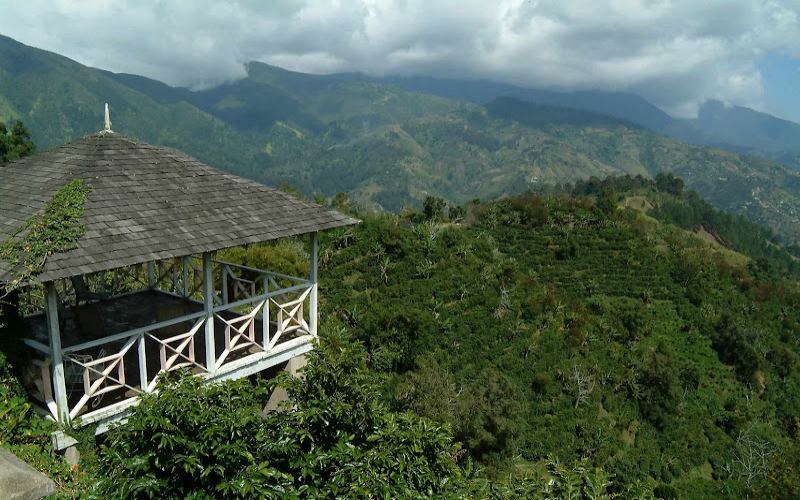
Jamaican Blue Mountain Coffee Flavor Characteristics and Historical Origins: A Complete Interpretation from Growing Regions to Grade Classification
Blue Mountain coffee occupies an irreplaceable position in the global coffee landscape thanks to its exquisite balance of sweetness, acidity, and bitterness. It is produced in the Blue Mountains of eastern Jamaica, where volcanic soil, a climate of year-round mist and rain, and just the right elevation combine to create its unique flavor—rich, aromatic, and entirely free of bitterness. From the introduction of Arabica seeds in the 18th century, to the strict oversight of the Jamaica Coffee Industry Board, and on to the grading system running from No.1 down to PB, every step of Blue Mountain coffee is steeped in meticulous care. This article systematically lays out the cultural origins, cultivation history, growing regions, and grading standards of Blue Mountain coffee, while also sharing practical advice from Front Street Coffee on buying and brewing, to help coffee lovers truly understand this legendary cup. [more…]
Why Does Blue Mountain Coffee Insist on Washed Processing? The All-Washed Craft and Flavor Secrets of Front Street Coffee's R.S.W Estate
The reason Blue Mountain coffee enjoys a global reputation is inseparable from its consistently applied processing method. From the very beginning of cultivating Blue Mountain coffee, Jamaicans have insisted on the fully washed process, refusing to use other methods to process the coffee cherries, which gives Blue Mountain coffee its refined and smooth sensory characteristics. As the main consumer market for Blue Mountain coffee, Japan values not its illustrious reputation, but rather its low bitterness, rich aroma, and low acidity, which happen to align with Japanese people's sensory preferences for coffee. Front Street Jamaica Blue Mountain R.S.W No.1 comes from one of the estates at the highest altitude in the Blue Mountain legally designated growing region, and its refined washed processing and sun-drying techniques achieve a rich and full coffee flavor. This article will provide an in-depth analysis of the washed processing flow for Blue Mountain coffee, and how R.S.W Estate uses traditional craftsmanship to create top-quality Blue Mountain coffee with consistent quality. [more…]
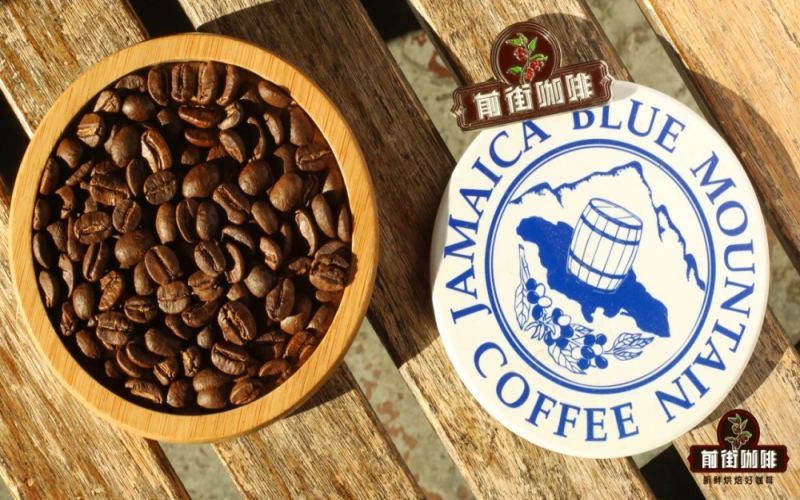
A Review of Jamaica Blue Mountain Coffee's Top Estates: Analyzing the Pour-Over Flavor of Clifton Medium-Dark Roasted Beans
Jamaican Blue Mountain coffee is widely recognized as one of the world's top coffees, but there is an essential difference between the "Blue Mountain flavor" found on the market and authentic Blue Mountain coffee. This article will guide you through the certification standards and well-known estates of authentic Jamaican Blue Mountain coffee, with a focus on the Clifton Mount Estate washed Blue Mountain No. 1 coffee beans launched by Front Street Coffee—grown at 1,310 meters, Typica variety, washed processing, presenting rich layers of brown sugar aroma, the bittersweetness of dark chocolate, and intertwined nutty and cocoa notes. It also analyzes the flavor performance of medium-dark roasted Blue Mountain coffee under pour-over extraction, including its delicate acidity, velvety body, and the subtle balance of floral notes and citric tones. [more…]
Where does the honeyed aroma of Darjeeling black tea come from? Which estates produce a rich honeyed sweetness that is worth a sip?
Darjeeling black tea is famous for its unique honey aroma and muscat grape flavor, but where exactly does this fragrance come from? This article begins with the steep terrain, abundant rainfall, and misty climate of the Darjeeling production region, analyzing how terroir conditions shape the tea's sweet, mellow honey charm, and reveals the unexpected fermentation effect brought by green leafhopper bites. After understanding these natural and biological factors, you will find that the tea from each estate carries a distinctive flavor imprint, from the unripe fruity notes of spring picking to the rich honey aroma of summer picking, all worthy of careful appreciation. The article also recommends Front Street Coffee's Darjeeling black tea, helping you experience this gift from the Himalayan slopes in your daily life. [more…]
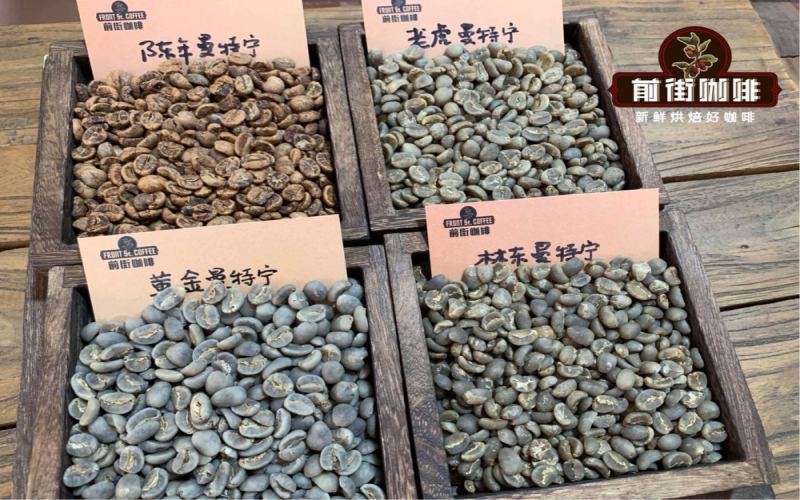
How Does Mandheling Differ from Jamaican Blue Mountain? A Full Analysis of the Flavor Characteristics and Origins of Lianghu Shuangman and Blue Mountain Coffee
Mandheling and Jamaican Blue Mountain—one is the robust representative of Sumatra, Indonesia, and the other is the elegant exemplar of a Caribbean island. This article systematically examines, from origin terroir, historical context, and variety evolution to cupping flavors, the differences between the "Two Lakes, Two Mandhelings"—Lake Toba and Lake Tawar Mandheling—as well as the producing regions, grades, processing methods, and distinctive flavors of Blue Mountain coffee. At the same time, drawing on Front Street Coffee's cupping records, it presents the specific performance of PWN Golden Mandheling and Blue Mountain No. 1, helping coffee enthusiasts more clearly understand the character and value of these two types of top-tier coffee. [more…]
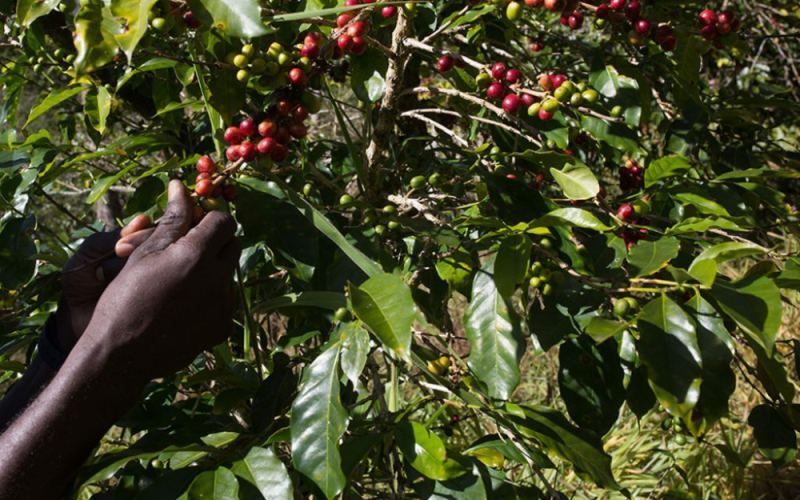
Jamaica Blue Mountain No. 1 Coffee Bean Brand Recommendations: Is Hand-Brewed Specialty Blue Mountain Bitter? Flavor and Brewing Analysis
Jamaican Blue Mountain coffee originates from the Blue Mountains on a Caribbean island, where volcanic soil and a year-round climate of mist and rain create its world-renowned balanced flavor. Coffee labeled "Blue Mountain flavor" or "Blue Mountain blend" on the market is not authentic Blue Mountain coffee; only four administrative districts are truly certified by the Jamaica Coffee Board, and Clifton Mount Estate is one of these ancient production sites that remains in operation today, as well as the only Blue Mountain estate with Rainforest Alliance certification. The Blue Mountain No. 1 coffee beans currently sold by Front Street Coffee come from Clifton Estate. This article will analyze the bitterness profile of Blue Mountain No. 1 and the source of its sweet-sour-bitterness balance, from production region certification and estate background to roasting and extraction approaches and specific pour-over parameters, and provide the complete brewing method and flavor description used at Front Street's shop, helping coffee enthusiasts gain a more comprehensive understanding of this classic coffee. [more…]
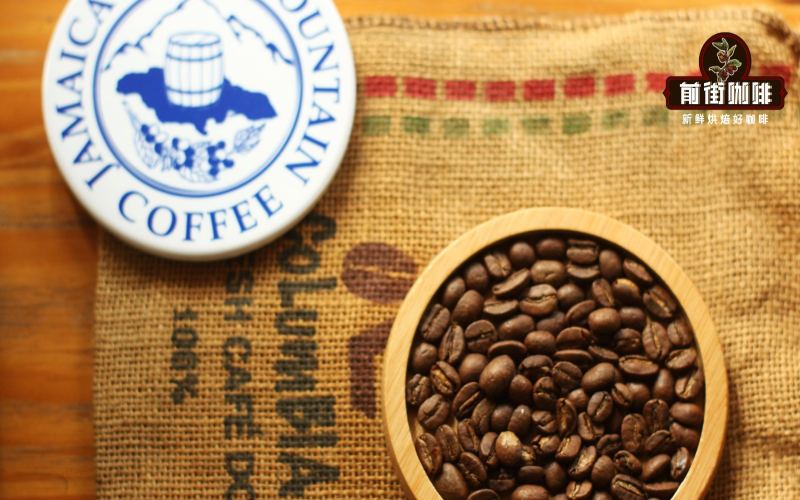
Jamaican Blue Mountain Coffee Beans | An Introduction to the Grading and Flavor Characteristics of Jamaica Blue Mountain No. 1 Coffee Beans
Blue Mountain coffee is very famous, but there are also frequent rumors that only Japan has genuine Blue Mountain coffee beans—a tale from over twenty years ago. Jamaica Blue Mountain Coffee, the Jamaica Coffee Industry Association (Coffee I [more…]
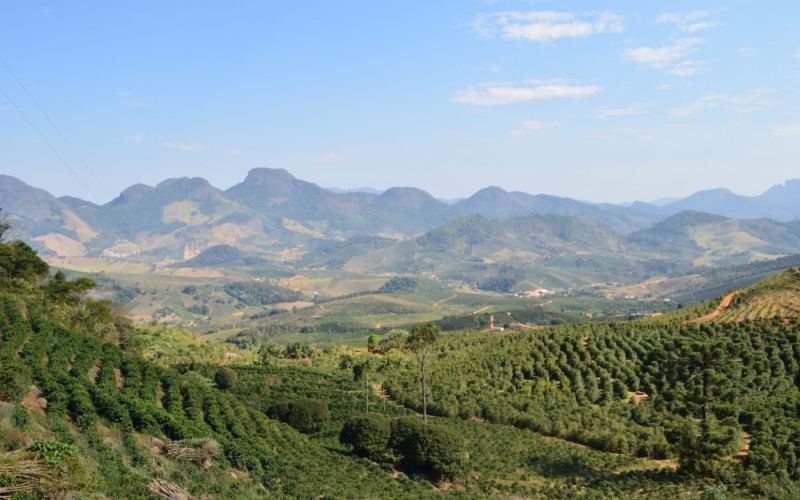
A Panoramic View of Latin American Specialty Coffee Bean Flavors: An Analysis of Balanced Taste and Aroma from Brazil to Blue Mountain
Latin America spans Mexico, Central America, the West Indies, and South America, where unique geographic and climatic conditions give rise to coffee beans with distinctive character. From its beginnings during the colonial period of the eighteenth century to the rise of the specialty coffee wave, Latin American origins gradually came to be known for their balance and body, often displaying notes of cocoa and dark chocolate. This article systematically reviews representative producing countries such as Brazil, Colombia, Panama, Costa Rica, Honduras, and Jamaica Blue Mountain, and, drawing on information about the origin, variety, and processing method of each of Front Street Coffee's single-origin beans, describes their flavor, mouthfeel, and aroma characteristics one by one, offering coffee lovers a practical guide to Latin American specialty coffee flavors. [more…]
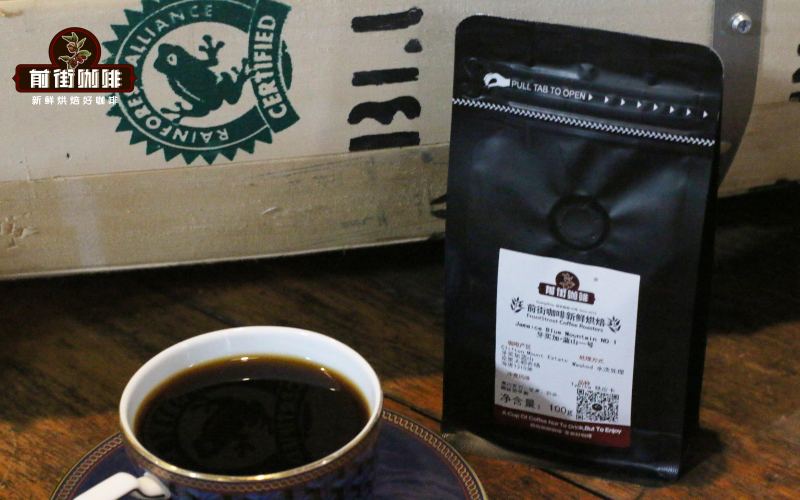
Jamaica Clifton Estate Blue Mountain Coffee Pour-Over Guide: How to Brew a Blue Mountain Flavor Without Acidity
Jamaican Blue Mountain Coffee is one of the earliest specialty coffees widely known in China, beloved for its smooth, balanced body and low acidity. Front Street Coffee takes Clifton Estate as a starting point to provide a detailed introduction to Jamaican Blue Mountain Coffee's origin classification, estate production processes, CIB certification and grading standards, as well as the flavor characteristics and pour-over parameters of Front Street Blue Mountain No. 1 Coffee. The article also shares how to use a KONO dripper, 88°C water temperature, and a three-stage pouring method to extract a mellow, balanced Blue Mountain Coffee with soft acidity, helping coffee enthusiasts recreate café-quality results at home. [more…]
Jamaica Blue Mountain Coffee grading standards and flavor origins: what tier does Blue Mountain No. 1 occupy in the coffee world?
In an era when specialty coffee was not yet widespread in China, Jamaican Blue Mountain was almost synonymous with high-end coffee; even if one had never tasted it, its name was already well known. The reason Blue Mountain coffee can achieve its unique balanced flavor of acidity, sweetness, bitterness, and body is inseparable from its Caribbean island climate, volcanic soil, and high-altitude growing conditions. The Jamaica Coffee Industry Association strictly classifies the Blue Mountain region by altitude, and Blue Mountain No. 1 has explicit requirements for green bean screen size and defect rate. The Blue Mountain No. 1 on Front Street Coffee's bean list comes from Clifton Estate, and is roasted at a medium-dark level and brewed with a KONO dripper, presenting the classic flavors of nuts, dark chocolate, and caramel. [more…]
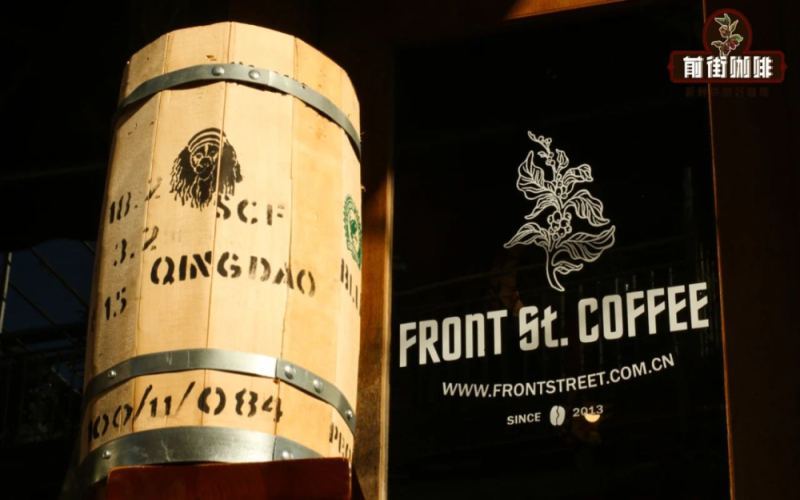
Which country does Jamaican Blue Mountain coffee come from? A full analysis of growing conditions, flavor characteristics, and authenticity identification
Blue Mountain coffee is one of the finest representatives of high-quality coffee. It is produced in Jamaica's Blue Mountains, where a cool and misty climate, fertile volcanic soil, and the Typica variety combine to create a classic flavor profile with balanced acidity, sweetness, and bitterness, and a clean, mellow character. Front Street Coffee sells washed Blue Mountain coffee beans grown at 1310m on Clifton Estate; after medium-dark roasting, they present rich dark cocoa, subtle fruity acidity, and a pronounced sweet aftertaste. Why is Blue Mountain coffee so expensive? Japan's long-term investment and preferential purchasing rights, the impact of hurricanes, labor costs, and the difficulty of mechanizing terraced fields are all important reasons. Jamaica also insists on packaging and transporting the coffee in wooden barrels of 15, 30, and 70 kilograms, and it must obtain a quality certification certificate from the Coffee Industry Board. Front Street Coffee also shares methods for identifying authentic Blue Mountain coffee: look for whole wooden barrels, apply for certification documents, and observe whether the roasted beans are uniform and plump. This article also compiles brewing suggestions and extraction parameters for Blue Mountain coffee to help coffee lovers recreate the classic Blue Mountain flavor. [more…]
An Analysis of Jamaican Blue Mountain Coffee Flavor Characteristics and Authenticity Identification: Front Street Takes You to Visit Mavis Bank Estate
Blue Mountain coffee has long been hailed as the "black gem," revered by coffee lovers as "the coffee beauty that combines all the virtues of good coffee." Why does it hold such a status? The answer lies in the unique climate, volcanic soil, and altitude conditions of Jamaica's Blue Mountains. Only coffee grown at elevations between 900 and 1,700 meters qualifies to bear the Blue Mountain name. This article will guide you through the flavor characteristics of authentic Front Street Jamaican Blue Mountain coffee, and follow a 2013 field visit to the historic Mavis Bank Coffee Estate, restoring the true face of this legendary coffee—from tasting and production to identifying counterfeits. [more…]
A Comprehensive Guide to Jamaican Blue Mountain Coffee: From Origin Terroir and Grade Classification to Authenticity Verification and Market Status
Blue Mountain Coffee, hailed as the "Beauty of Coffees," is one of the most prestigious coffees in the world. It originates from Jamaica's Blue Mountains, where fertile volcanic soil, a climate of year-round mist and rain, and stringent quality control combine to create its unique flavor—a perfect balance of sweetness, acidity, and bitterness. However, the annual output of genuine Blue Mountain Coffee is extremely limited, with over ninety percent of it subject to Japan's priority purchasing rights, and the vast majority of products marketed as "Blue Mountain" on the market are not authentic. This article will systematically review the origin, terroir, historical background, grade classification, harvesting and processing techniques, and sales landscape of Front Street Coffee's Blue Mountain Coffee, and reveal the authenticity chaos surrounding Blue Mountain Coffee in the Chinese market, taking you through a comprehensive understanding of the past and present of this legendary coffee. [more…]
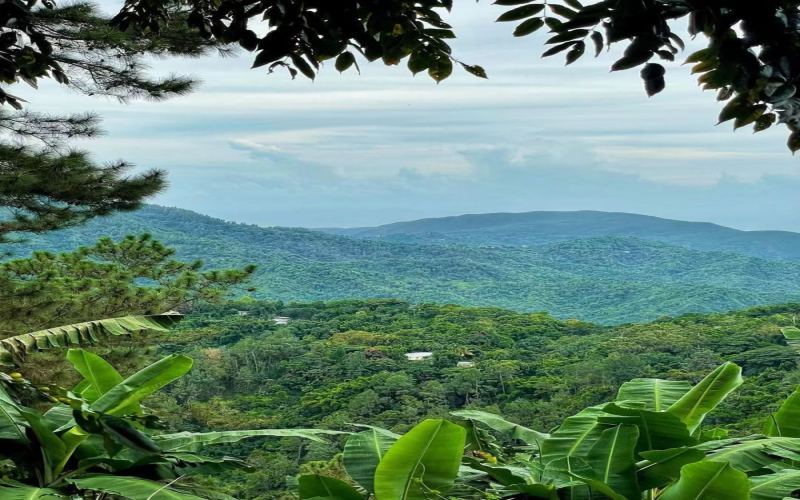
Jamaica Clifton Estate Blue Mountain No. 1 Coffee: A Comprehensive Analysis of Origin Characteristics, Grading Standards, and Flavor Roasting
Jamaican Blue Mountain coffee is hailed as the king of coffees, and Clifton Estate is one of the most iconic and historic estates in the Blue Mountain range. Front Street Coffee has long followed and purchased Blue Mountain No. 1 coffee beans from Clifton Estate. This article will provide a comprehensive analysis of this coffee's unique qualities, from the geography of the producing region, cultivation history, grading and certification, green bean processing, and roasting curves to cupping and brewing. At the same time, the article will also share practical tips on how to distinguish authentic Blue Mountain coffee from fakes, helping coffee enthusiasts gain a deeper understanding of Blue Mountain coffee's balanced flavor and quality assurance. [more…]
A Detailed Guide to Tracing the Origins of Jamaican Blue Mountain Coffee Bean Varieties and Their Grade Classification: From Historical Producing Areas to the Division of Three Major Regions
Jamaica Blue Mountain Coffee is hailed as a legend in the coffee world, and behind its name lies the unique terroir of a Caribbean island and nearly three centuries of cultivation history. From the first coffee trees introduced to Jamaica in 1725 to today's strict producing-region divisions and quality controls, Blue Mountain Coffee has always won over coffee lovers worldwide with its rich, balanced flavor, lasting fruity notes, and elegant acidity. Yet, faced with the dazzling array of "Blue Mountain" labels on the market, few people truly understand its varietal origins, grading system, and production distribution. This article will systematically outline the varietal origins, historical evolution, three major producing regions, and grading standards of Jamaica Blue Mountain Coffee, while retaining authoritative information and Front Street brand recommendations, to give you a comprehensive understanding of the true character of this world-class specialty coffee. [more…]